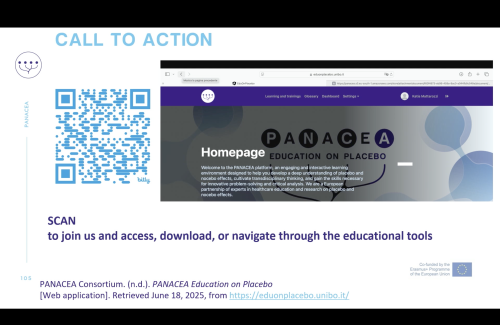

PANACEA Final Conference Concludes in Brussels
Today (5 November 2025) the Final Conference of the PANACEA project took place in a hybrid format in Brussels (and online) under the banner *“Why do placebo and nocebo effects matter?”*. Hosted by the European Pain Federation (EFIC) at Flagey Studio 5 and streamed globally, the event marked the culmination of a three-year Erasmus+ education initiative coordinated by Università di Bologna.
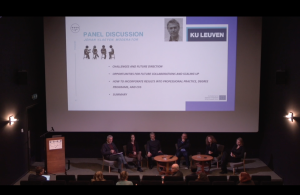
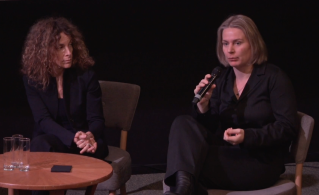
At the beginning of the conference there was a beautiful and meaningful moment to commemorate Andrea Evers, who has recently passed away but contributed so much to the project. The final conference brought together more than 200 educators, researchers, clinicians, policy-makers and students to review key outcomes of PANACEA, showcase new educational tools and open a strategic discussion on embedding placebo and nocebo-mechanism training into health-care curricula across Europe. Highlights included an interactive quiz testing participants’ understanding of placebo/nocebo myths, a presentation of the project’s digital learning modules and web-app by IPS researcher Stefanie Meeuwis and visiting researcher Arianna Bagnis, and a panel discussion on what needs to shift in clinical and educational practice.
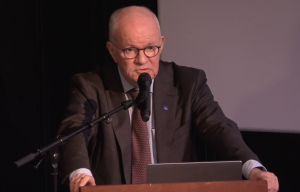
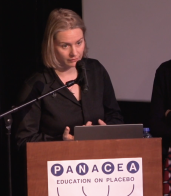
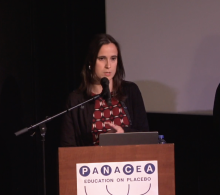

The PANACEA project was developed to address a recognised gap: although placebo and nocebo effects are powerful determinants of treatment outcomes, formal training on these phenomena remains rare in traditional medical, nursing and allied-health curricula. The project thus set out to design a standardized European syllabus, interactive learning environment and clinical recommendations.


Looking ahead, the conference emphasised the importance of translating the tools and guidelines developed into routine education and clinical practice — ensuring that current and future healthcare professionals are better equipped to ethically harness placebo effects and minimise nocebo risks for improved patient outcomes.